Subtotal 0 CFA




Email : 223
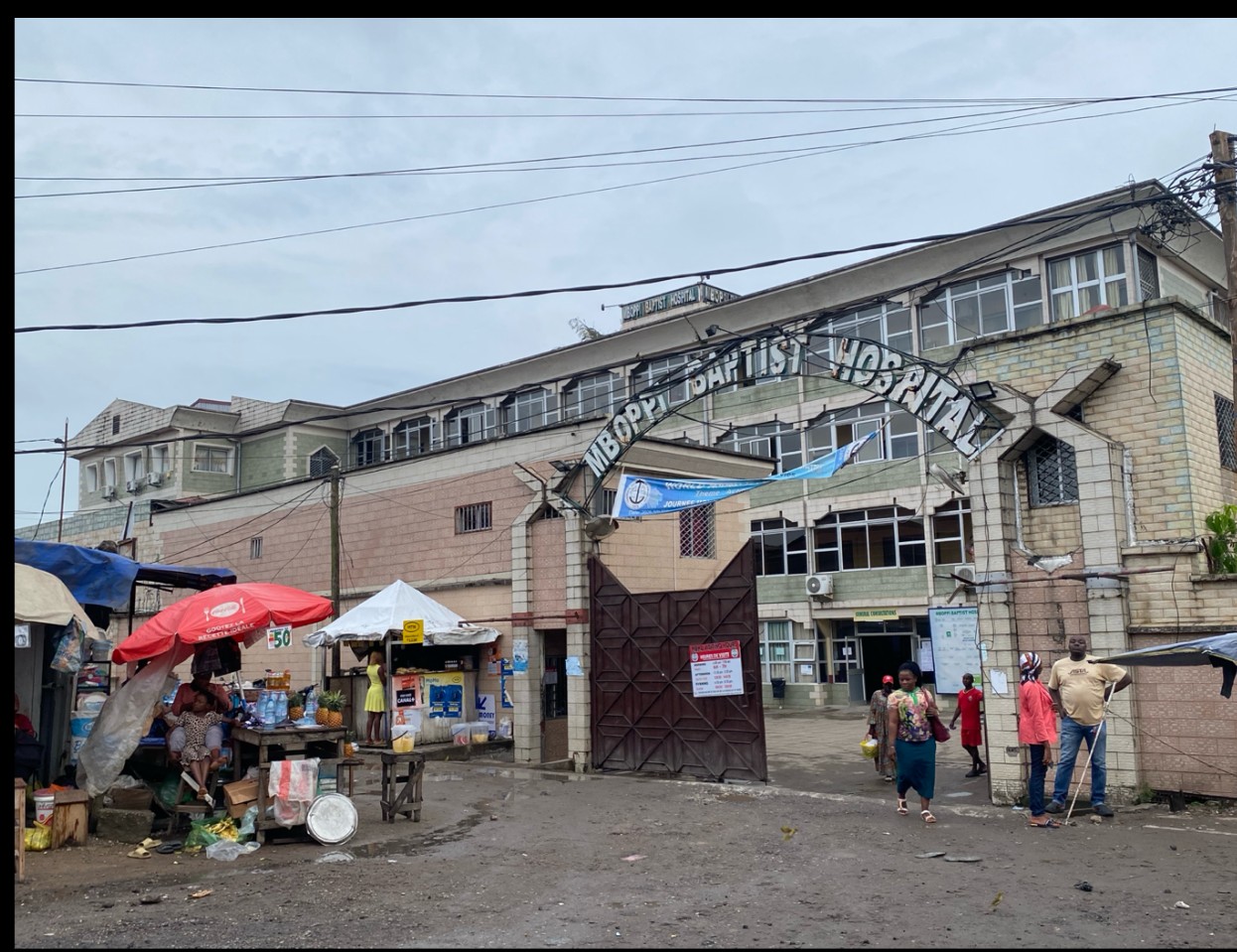
From a modest health center founded in 2000 with seven employees, Mboppi Baptist Hospital has become an essential medical pillar of Douala.
Supported by more than 600 staff members, this private facility of the Baptist Convention of Cameroon now welcomes up to 700 patients daily. Its success is based on modernized technical facilities (laboratory, digital imaging, audiology), a multidisciplinary approach to care, and priority management of emergencies.
Twenty-six years ago, nothing foreshadowed the growth that Mboppi Baptist Hospital would experience. Beginning as a modest health center established by the Baptist Convention of Cameroon, the institution has gradually expanded to become one of the leading private hospitals in the economic capital. Located in Douala, the hospital now treats between 500 and 700 patients daily and employs over 600 healthcare professionals and administrative staff. Its administration attributes this growth to a vision based on quality of care, affordability, and a holistic approach to patient care.
“We take care of the body, mind, and overall well-being of each patient,” explains Dr. Yungseh Peter Nshiom, the hospital’s administrator.
A Diverse Range of Care
Over the years, Mboppi Baptist Hospital has significantly expanded its medical services. The facility now offers internal medicine, surgery, pediatrics, obstetrics and gynecology, cardiology, urology, mental health, and women’s health services.
This multidisciplinary approach allows medical teams to provide comprehensive care while minimizing the risk of errors through collaboration among specialists.
To cope with the daily influx of patients, the hospital has implemented a structured triage system from the moment they arrive. Users are directed to the appropriate departments through a sorting and registration system designed to reduce waiting times and streamline patient pathways.
A Modernized Technical Platform
One of the hospital’s major development priorities is strengthening its diagnostic capabilities.
In recent years, the laboratory has benefited from new hematology and biochemistry equipment, significantly accelerating the delivery of results. This is a crucial development in a context where the speed of diagnosis often determines the effectiveness of medical care.
The medical imaging department has also been modernized with the introduction of digital X-ray machines, high-performance ultrasound scanners, echocardiography, and Doppler ultrasound.
More recently, the hospital has invested in audiology equipment, enabling the screening of hearing disorders and the provision of hearing aids to patients requiring specialized support. Urgent Care at the Heart of Priorities
Faced with a high volume of consultations, Mboppi Baptist Hospital has strengthened its emergency department organization.
A dedicated reception area now allows for the immediate identification of critical cases upon arrival. Doctors, nurses, laboratories, and imaging services are mobilized in a coordinated manner to ensure rapid treatment of the most serious situations.
The hospital also emphasizes a fundamental principle: no patient in an emergency situation is delayed for administrative or financial reasons before being stabilized.
Compassion as a Hallmark
Beyond technology and medical expertise, the hospital upholds a philosophy of care centered on human dignity.
Teams receive regular training in medical ethics, patient listening, and the importance of compassionate communication. Feedback mechanisms also allow users to evaluate the services they received and contribute to their improvement.
This culture of listening also extends to the staff. Training programs, career development opportunities, and social support services contribute to employee retention, particularly among young professionals.
Driven by this vision that combines medical innovation, affordability, and human values, Mboppi Baptist Hospital intends to continue its development to meet the growing demand for quality healthcare in Cameroon’s economic capital.
Dr YUNGSEH Peter, Administrator of Mboppi Baptist Hospital
« Compassionate care is at the heart of our work. »
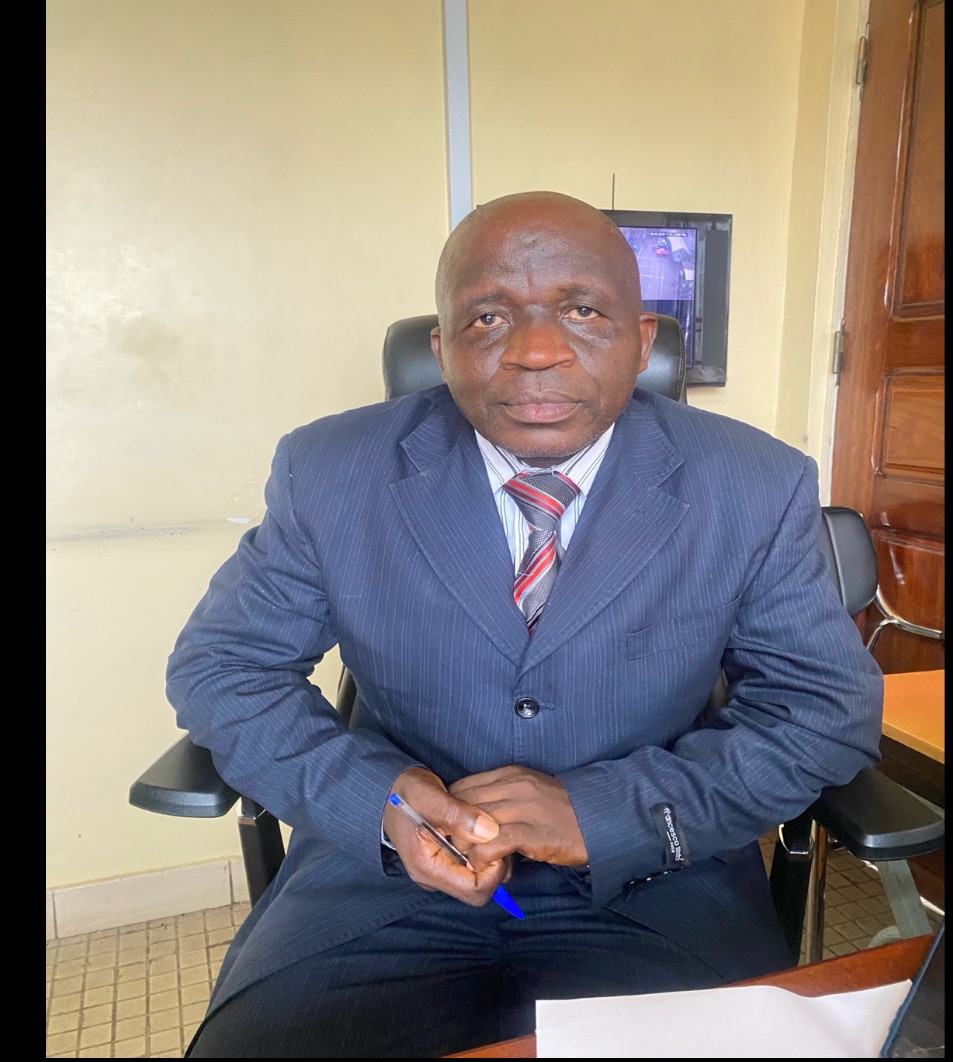
Founded in 2000 with just seven staff members in a rented facility near Mboppi Market, Mboppi Baptist Hospital has grown into a major healthcare institution employing more than 600 people. In this interview, Administrator Dr. YUNGSEH Peter discusses the hospital’s commitment to affordable, high-quality care, its patient-centered approach, and the strategies that sustain its growth and reputation in Douala.
Could you tell us about Mboppi Baptist Hospital?
Mboppi Baptist Hospital traces its origins back to the year 2000, when it was established as the Mboppi Baptist Health Centre. At the time, we had only seven staff members who left Banso Baptist Hospital to start this healthcare facility in a rented building near Mboppi Market. Over the years, the institution has grown significantly, and we are grateful for the progress that has brought us to where we are today.
What is the hospital’s strategic mission, and how does it maintain its
reputation for quality and affordable healthcare in a highly competitive city like Douala?
Mboppi Baptist Hospital operates with a Christ-centered mission. Our goal is to provide holistic healthcare that addresses not only the physical needs of patients but also their emotional and spiritual well-being.
Compassionate care is at the heart of our work. We serve all patients, regardless of their social or economic background. Whether they are wealthy or underprivileged, we strive to ensure that everyone has access to quality healthcare.
We achieve this through three main approaches. First, we use an integrated service model that combines specialized healthcare services such as maternity, surgery, and internal medicine, with primary healthcare services. This integrated approach improves continuity of care and helps reduce the risk of medical errors.
Second, we are committed to affordability. We carefully manage our costs to ensure that our services remain accessible to the widest possible number of people.
Third, we place great emphasis on quality assurance. We regularly conduct infection prevention audits, quality assessments, and performance reviews to ensure that our services meet high standards.
Community engagement is also a key component of our strategy. We actively seek feedback from patients and community members, allowing them to evaluate our services. Their observations help us identify areas for improvement and strengthen the trust they place in our institution.
Managing more than 600 employees is no small task. How do you ensure productivity and effective workforce management?
Indeed, managing over 600 employees presents significant challenges. To ensure efficiency, we have organized the hospital into several departments, each led by a department head responsible for overseeing operations and staff performance.
Department leaders meet regularly to exchange ideas, discuss challenges, and share best practices. This promotes coordination and continuous improvement across the institution.
Because healthcare is a 24-hour service, we have established structured shift systems to guarantee uninterrupted patient care. Staff members work in shifts, ensuring that qualified personnel are always available to attend to patients.
Another important aspect of our management strategy is staff retention. A large
proportion of our workforce consists of young professionals who may be tempted to seek opportunities elsewhere. To encourage them to stay, we provide recognition for good performance and create opportunities for professional development.
Employees are encouraged to pursue further education while working. Through training and career advancement pathways, staff can progressively move from auxiliary positions to more specialized roles as they acquire additional qualifications. These opportunities contribute to job satisfaction and help foster a motivated workforce.
What financial and infrastructural challenges does the hospital face, and how do you address them without compromising healthcare standards?
Like many healthcare institutions, we face financial challenges. The cost of medicines, medical equipment, and taxes continues to rise. If we were to transfer these increases directly to patients, many people would no longer be able to afford healthcare.
To manage this situation, we purchase medicines and supplies in bulk whenever possible. Bulk procurement helps reduce costs and allows us to maintain affordable prices for patients.
Another challenge is sustaining a workforce of more than 600 employees while meeting operational expenses and tax obligations. Our primary source of revenue comes from the healthcare services we provide. We do not currently receive substantial government subsidies or donor funding. Therefore, careful financial management is essential. We prioritize patient care and staff remuneration while ensuring responsible use of available resources.
On the infrastructure side, many of our facilities have been in use for years and require ongoing maintenance. We therefore adopt a preventive maintenance approach. Rather than waiting for buildings or equipment to deteriorate significantly, we conduct regular inspections and repairs. This helps prevent major breakdowns and ensures that services remain uninterrupted.
We also face the challenge of managing large numbers of patients. To improve efficiency, patients are registered and guided through the care process, while those with urgent medical needs are identified and prioritized for immediate attention.
How do you foster a culture of compassionate service while ensuring staff well-being and strong administrative support?
Compassionate care is central to the philosophy of the Cameroon Baptist
Convention Health Services and to our hospital. This compassion extends not only to patients but also to staff members.
Some patients arrive with very limited financial means, and we make every effort to identify support mechanisms that can help them access care.
Similarly, we recognize that employees face personal and professional challenges. Staff members may experience bereavement, family difficulties, or other hardships. We have internal support mechanisms and policies designed to assist them during such periods.
By supporting both patients and staff, we create a positive and caring environment that promotes quality healthcare delivery and employee well-being. This culture of compassion has become one of the defining characteristics of Mboppi Baptist Hospital
Dr NDI Norah, Chief Medical Officer at Mboppi Baptist Hospital
« The voice of our patients is central to everything we do. »
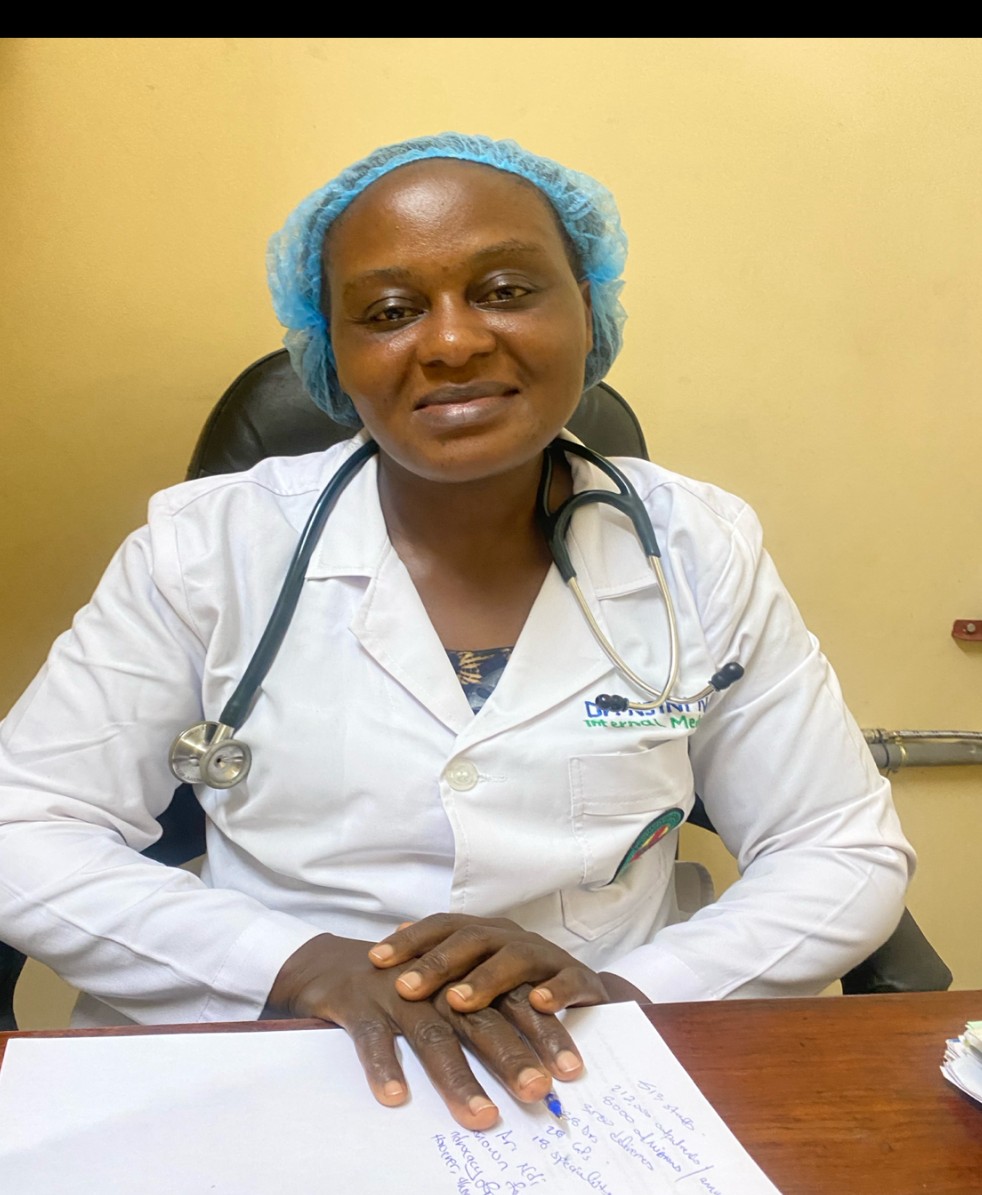
In this interview, Chief Medical Officer Dr. NDI Norah discusses recent investments in laboratory, imaging and audiology services, the hospital’s emergency response system, and the values that guide healthcare delivery in one of Douala’s busiest medical institutions.
Could you describe the current capabilities of Douala Baptist Hospital’s
technical platform and the recent clinical innovations or specialized equipment that have been introduced to improve diagnostic accuracy and patient care?
Douala Baptist Hospital is one of the flagship hospitals of the Cameroon Baptist Convention Health Services. We are a faith-based, multidisciplinary institution offering a wide range of healthcare services.
Our clinical departments include internal medicine, surgery, pediatrics, gynecology and obstetrics, as well as specialized services such as cardiology, urology, women’s health programs, and mental health care, among others. The presence of these various disciplines allows us to provide comprehensive and coordinated care to our patients.
We also have a well-equipped laboratory that has recently undergone significant upgrades. New hematology and chemistry analyzers have been installed, substantially reducing turnaround times for laboratory results. Given the large number of patients we serve, delayed laboratory reports used to affect clinical decision-making and, ultimately, patient outcomes. With our upgraded equipment, clinicians can now make faster and more informed treatment decisions.
We equally operate digital X-ray systems, perform echocardiography, a variety of ultrasound examinations, and Doppler studies. These diagnostic tools have significantly enhanced our ability to diagnose and monitor medical conditions accurately.
One of our most recent innovations is the acquisition of audiology equipment. We can now assess patients with hearing difficulties and provide hearing aids when necessary. Hearing aids remain expensive and are not widely available in many healthcare facilities, so this represents an important advancement in the services we offer.
How does the hospital contribute to the implementation of Universal Health Coverage initiatives?
Our institution fully supports the goals of Universal Health Coverage. We work closely with district health authorities to ensure that healthcare packages covered under national programs are effectively integrated into the services we provide.
For example, medicines that are intended to be provided free of charge to specific groups, such as pregnant women and children, are regularly supplied through the district health system and administered to eligible beneficiaries in our facility.
We also ensure that routine immunization services are consistently available, contributing to national public health objectives and improving access to preventive healthcare.Healthcare is not only technical but also relational.
How do you monitor clinical ethics, prevent professional misconduct, and promote empathy and patient dignity?
Quality healthcare goes far beyond technology and infrastructure. As a faith-based institution, we are guided by values that shape our daily practice.
First and foremost, we do not view our patients merely as medical cases. We see them as human beings created in the image of God, deserving of dignity, respect, and compassionate care. These values are continuously reinforced among our staff members.
We are also committed to maintaining high ethical standards in healthcare delivery. Our ethical framework is informed by Christian principles, including the belief in the sanctity of human life. Consequently, we do not participate in interventions that intentionally end human life, whether unborn or adult, because we believe every life has inherent value and dignity.
Patient-centered care remains at the core of our approach. We actively seek patient feedback through established mechanisms that allow patients to share their experiences and evaluate our services. Listening to our patients helps us identify areas for improvement and maintain accountability.
Communication is another essential component of ethical care. Many conflicts in healthcare settings arise from misunderstandings or inadequate communication. We believe patients have the right to understand their diagnosis, available treatment options, and the implications of proposed interventions.
Album photos : Mboppi Baptist Hospital
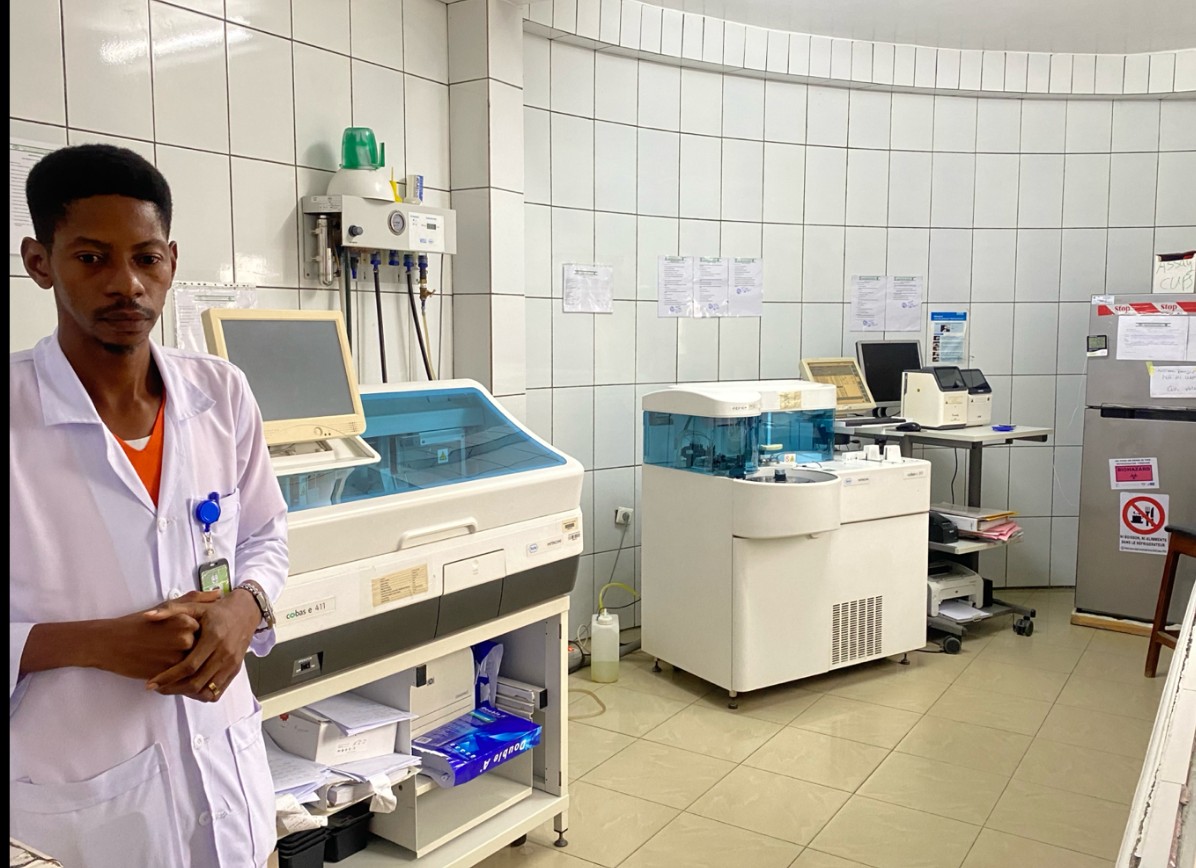
A modern, well-equipped laboratory providing reliable diagnostics and timely results to support effective patient management.
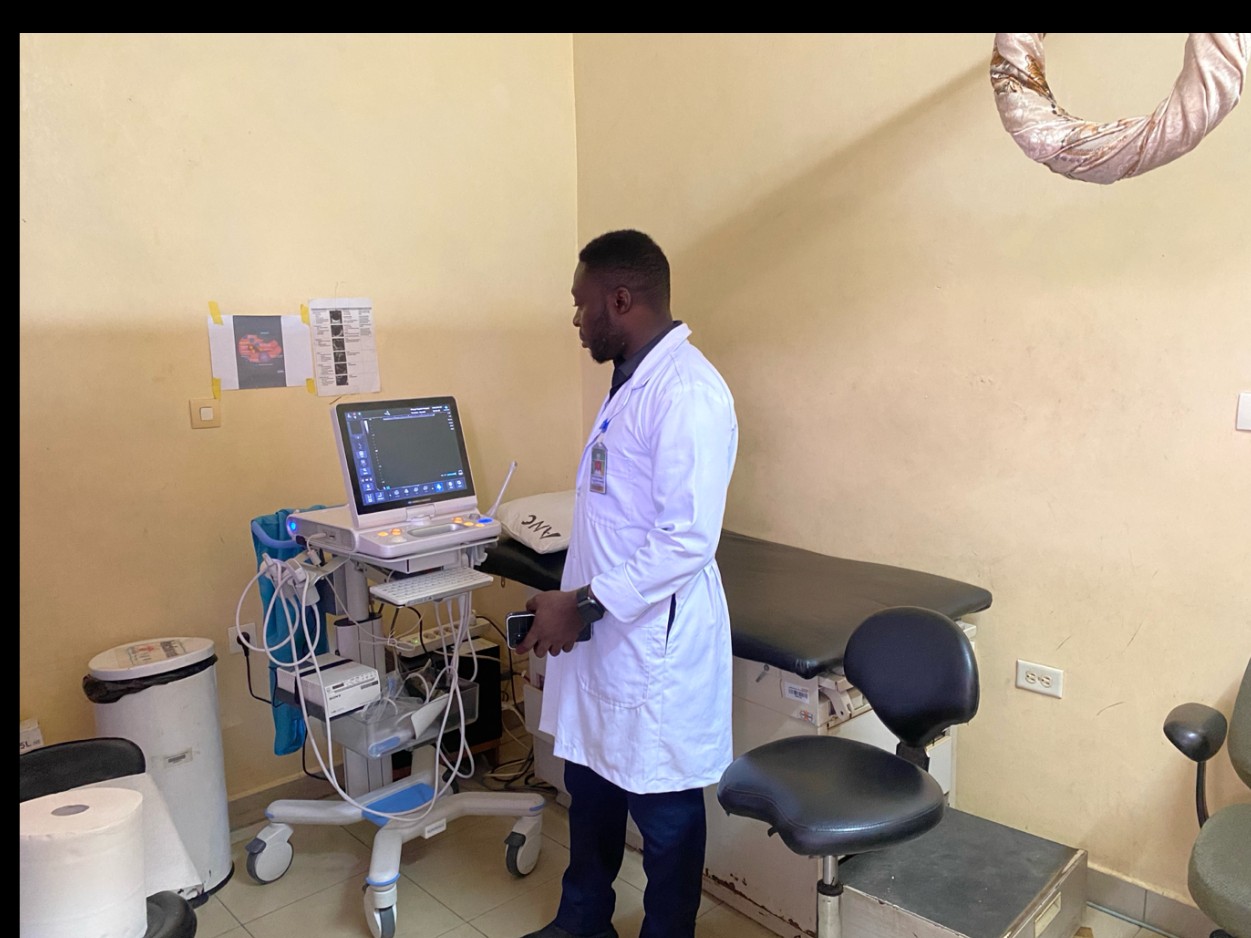
The radiology department offers a wide range of diagnostic imaging services, including digital X-rays, ultrasound scans, Doppler examinations and other imaging procedures, helping clinicians make timely and accurate medical decisions.
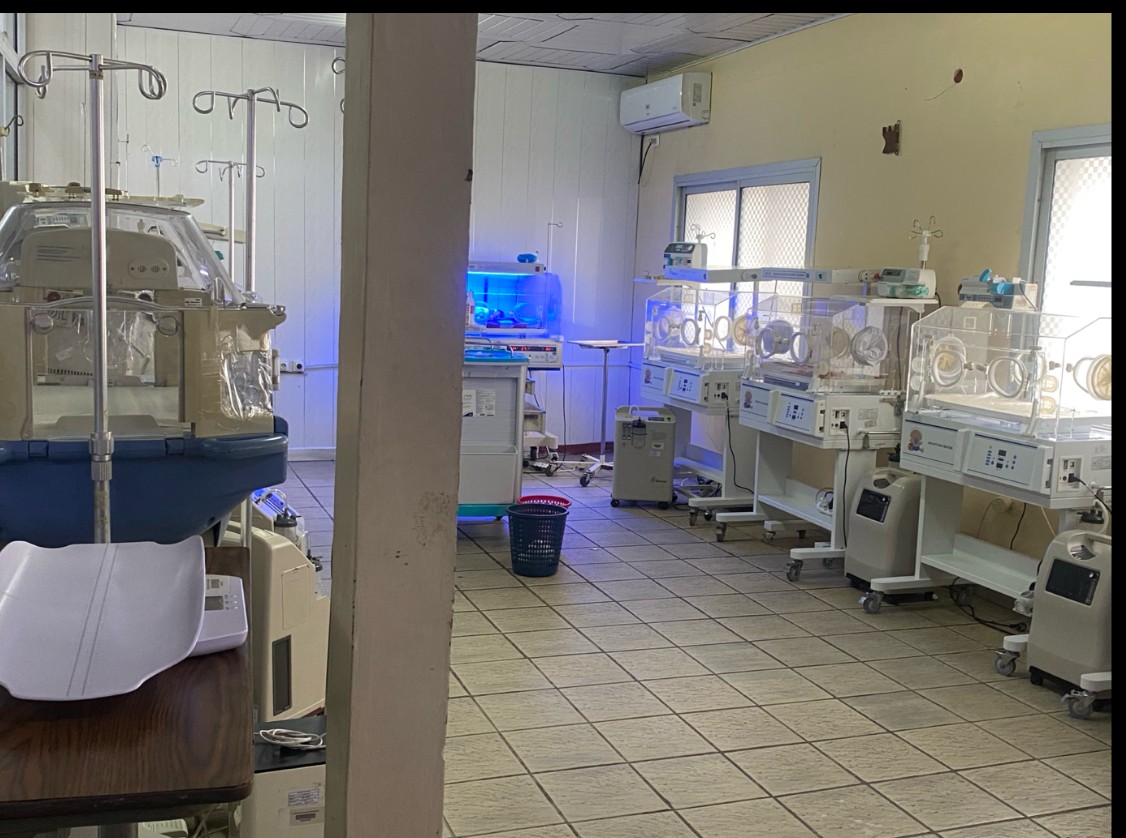
Equipped with 15 modern incubators and specialized neonatal care equipment, the Neonatology Unit ensures high-quality care for vulnerable






Comments are closed