Subtotal 0 CFA




Email : 354
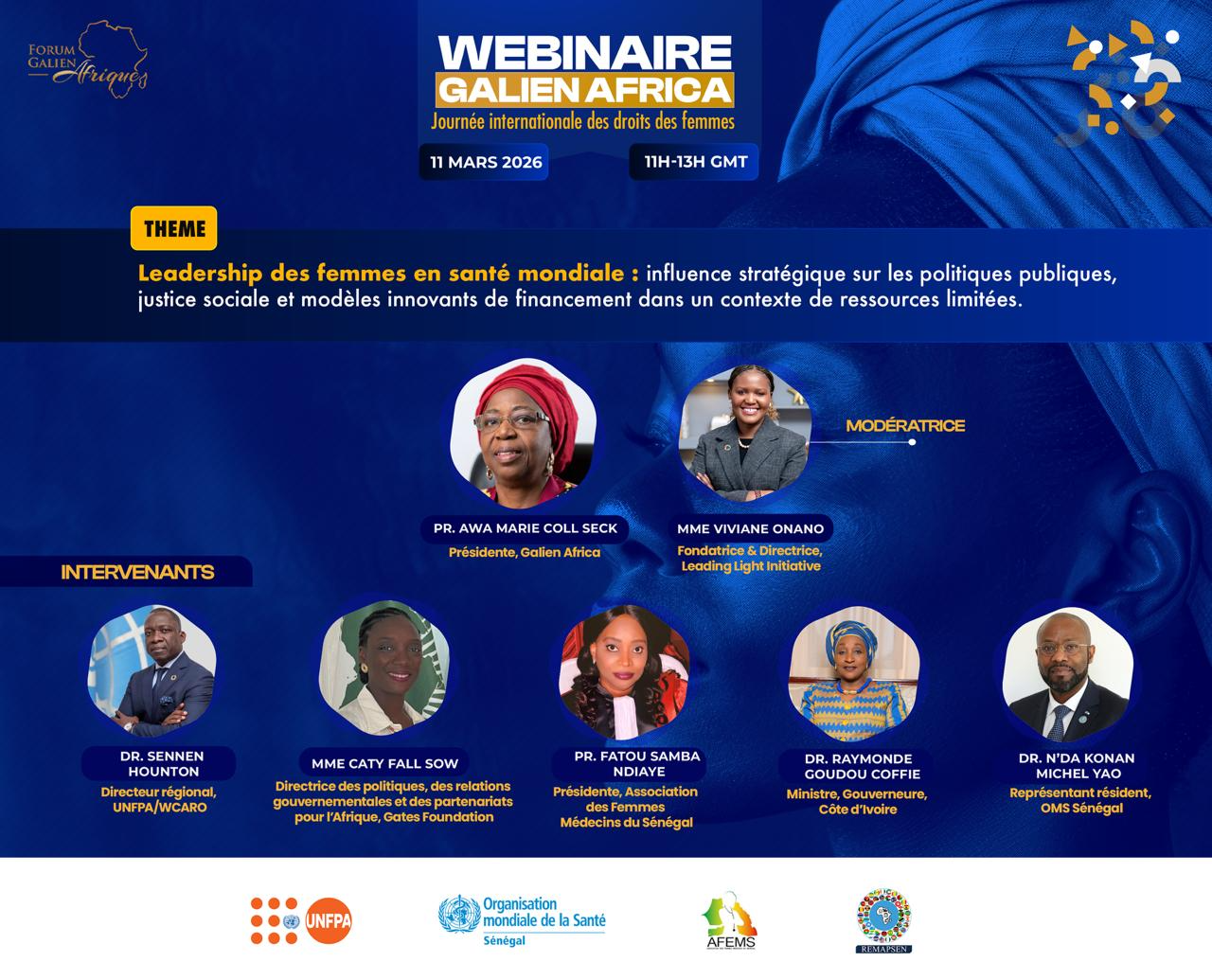
To mark International Women’s Day, the Galien Africa forum brought together policymakers, doctors, and experts to discuss the strategic role of women in health governance. At the heart of the discussions was the urgent need to transform a sector where women are the majority on the ground but remain marginalized in decision-making bodies.
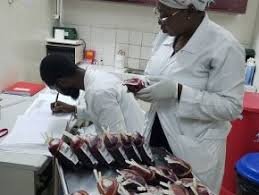
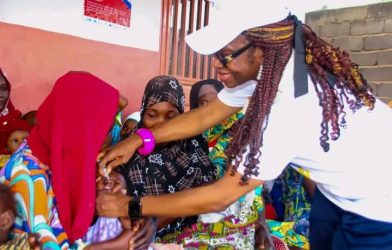
In hospitals, health centers, and community programs, women form the backbone of African health systems. They provide care, support, raise awareness, and organize services as close as possible to the people.
However, this massive presence has not yet translated into an equivalent influence in decision-making spheres.
This discrepancy, often mentioned in debates on health governance, was at the heart of the webinar organized on March 11 by Galien Africa. Participants posed a central question: how to transform the presence of women in health systems into a real power to influence public policies?
The issue goes beyond the simple question of parity. It concerns the way in which health policies are designed and implemented.
Science, politics and systems transformation
For Professor Fatou Samba Ndiaye, president of the Association of Women Doctors of Senegal, the answer lies in a better articulation between scientific expertise and political decision.
“Science heals patients, but politics heals systems,” she reminded, stressing the crucial role of political choices in the organization of health systems.
Medical advances, technological innovations, or new therapeutic approaches can only produce their effects if public policies allow for their equitable dissemination.
However, in many African countries, health decisions are still made without women, who are the majority in health professions, having sufficient weight in governance bodies.
For Professor Awa Marie Coll Seck, president of Galien Africa and former Minister of Health of Senegal, this lack of representation is an obstacle to the development of policies that are closer to social realities.
Women, she explains, are often on the front line in taking care of communities and have a deep understanding of the needs of the population.
The complex equation of health financing
Beyond the issue of governance, discussions also focused on the financial challenges facing African health systems.
Faced with limited resources and an uncertain evolution of international aid, states must find new strategies to ensure the sustainability of their health policies.
For Caty Fall Sow, director of policy, government relations and partnerships for Africa at the Bill & Melinda Gates Foundation, this situation requires exploring more innovative and diversified funding models.
Partnerships between governments, international organizations, foundations and private actors could help to mobilize more resources.
But these mechanisms must also support local initiatives, often led by women, that develop solutions adapted to African realities.
A matter of health justice
The international organizations present at the webinar also stressed that promoting female leadership is an important lever for improving equity in access to healthcare.
The World Health Organization’s resident representative in Senegal, Dr. N’Da Konan Michel Yao, recalled that the most effective health systems are based on inclusive governance.
The United Nations Population Fund emphasizes the close link between women’s participation in public decisions and the improvement of reproductive health policies.
In several African countries, the indicators remain worrying, particularly with regard to maternal mortality or access to family planning services.
In this context, the increased presence of women in decision-making bodies appears as an essential lever for steering policies towards these priorities.
The emergence of a new generation of leaders
While obstacles remain, several speakers also highlighted the emergence of a new generation of women involved in health governance.
Mentoring and training initiatives are developing across the continent to prepare these future leaders.
This is notably the ambition of programs led by actresses like Viviane Onano, founder of Leading Light Initiative, which aim to support women in the fields of leadership, advocacy and innovation.
For the participants in the webinar, this dynamic could gradually transform the balance within health institutions.
Because in the face of the health challenges of the 21st centuryᵉcentury (pandemics, climate change, non-communicable diseases) health systems will have to mobilize all available skills.
And for many experts, this inevitably involves a full and complete recognition of the strategic role of women in global health governance.
Mireille Siapje
Box — Figures on women’s leadership in health in Africa
- 70% of healthcare workers in Africa are women
- Less than 25% of leadership positions in African health systems are held by women
- 545 maternal deaths per 100,000 live births in sub-Saharan Africa
- More than 60% of community health workers are women
- 1 in 3 women in sub-Saharan Africa do not have access to essential reproductive health services
- 75% of informal care within families is provided by women
Reactions
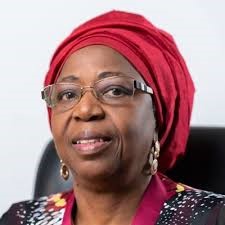
« Women are at the heart of health systems, but their contribution remains insufficiently recognized in decision-making spaces. We must change this paradigm. Experience shows that when women participate in the governance of public policies, strategies become more inclusive and closer to the needs of the population. Investing in women’s leadership is investing in the effectiveness and sustainability of our health systems. »
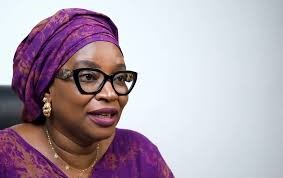
« Women doctors, researchers, and healthcare professionals play a crucial role in improving public health. But to bring about lasting transformation in healthcare systems, it is essential that their expertise also influences policy decisions. As I often say, science heals patients, but politics heals systems. That is why women need to be more present where decisions are made. »
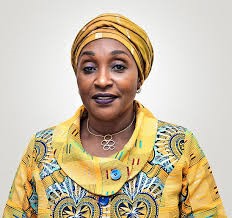
« Promoting women’s leadership in health is not just about social justice. It’s also about effectiveness. Women bring different perspectives, often rooted in the realities of their communities. Their presence in decision-making bodies allows for the development of more relevant and sustainable public policies. »
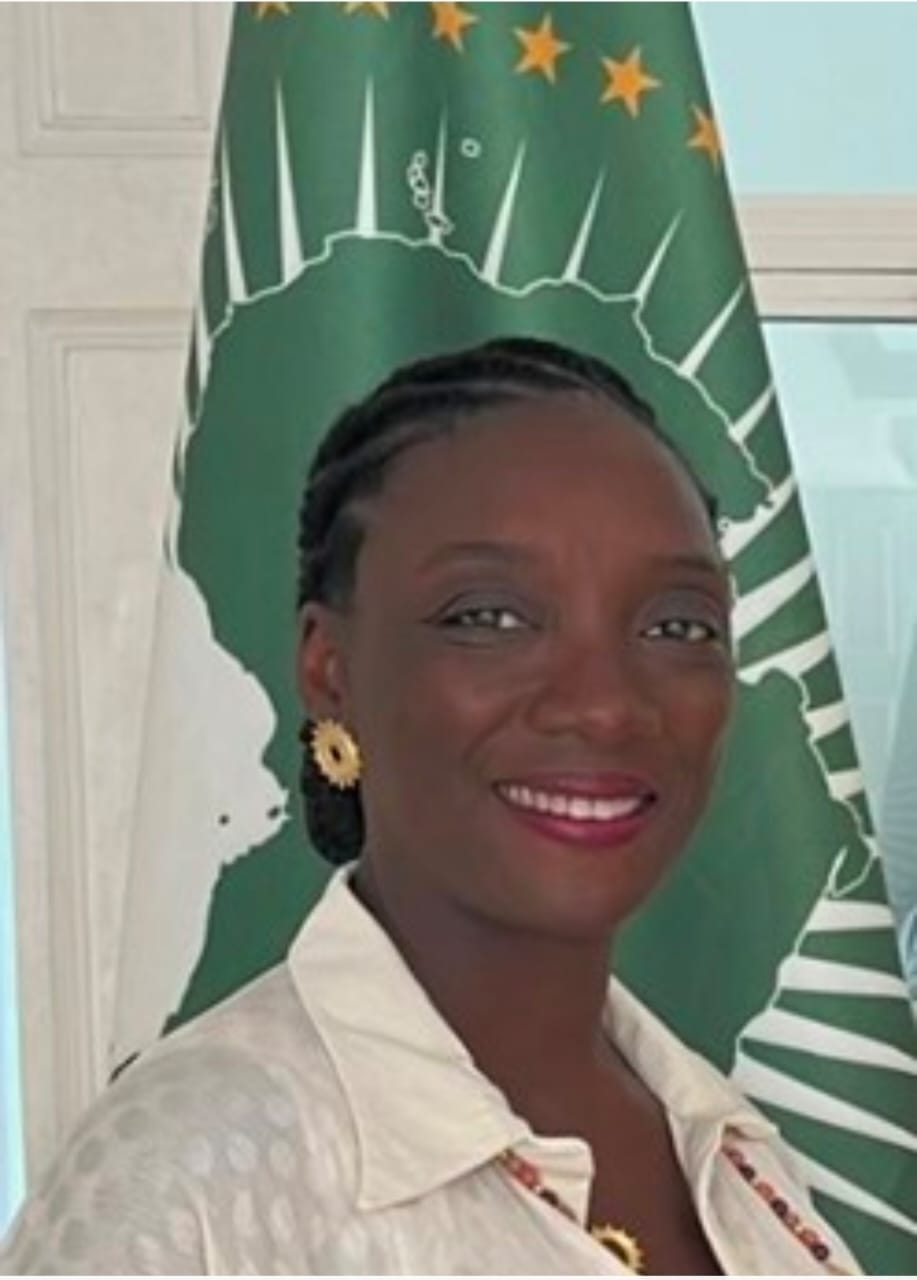
« In a context of limited resources, it is essential to rethink health financing mechanisms. Partnerships between governments, foundations, and international organizations can help mobilize more resources. But it is equally important to invest in initiatives led by women, who often develop innovative solutions adapted to local realities. »
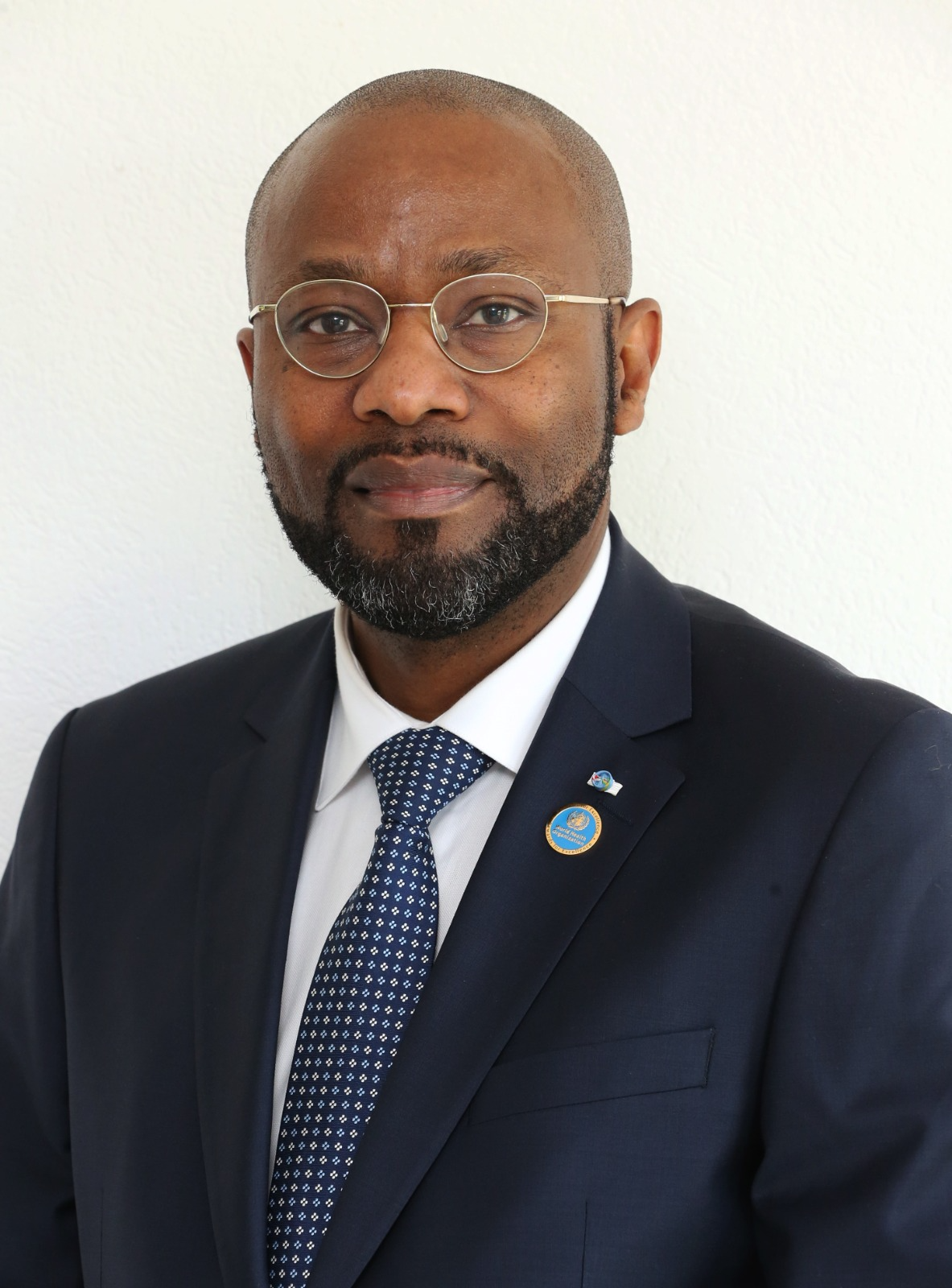
« Women make up the majority of the workforce in the health sector, but they remain underrepresented in leadership positions. To build more resilient and equitable health systems, it is essential to correct this imbalance and create environments that foster the emergence of new generations of women leaders. »
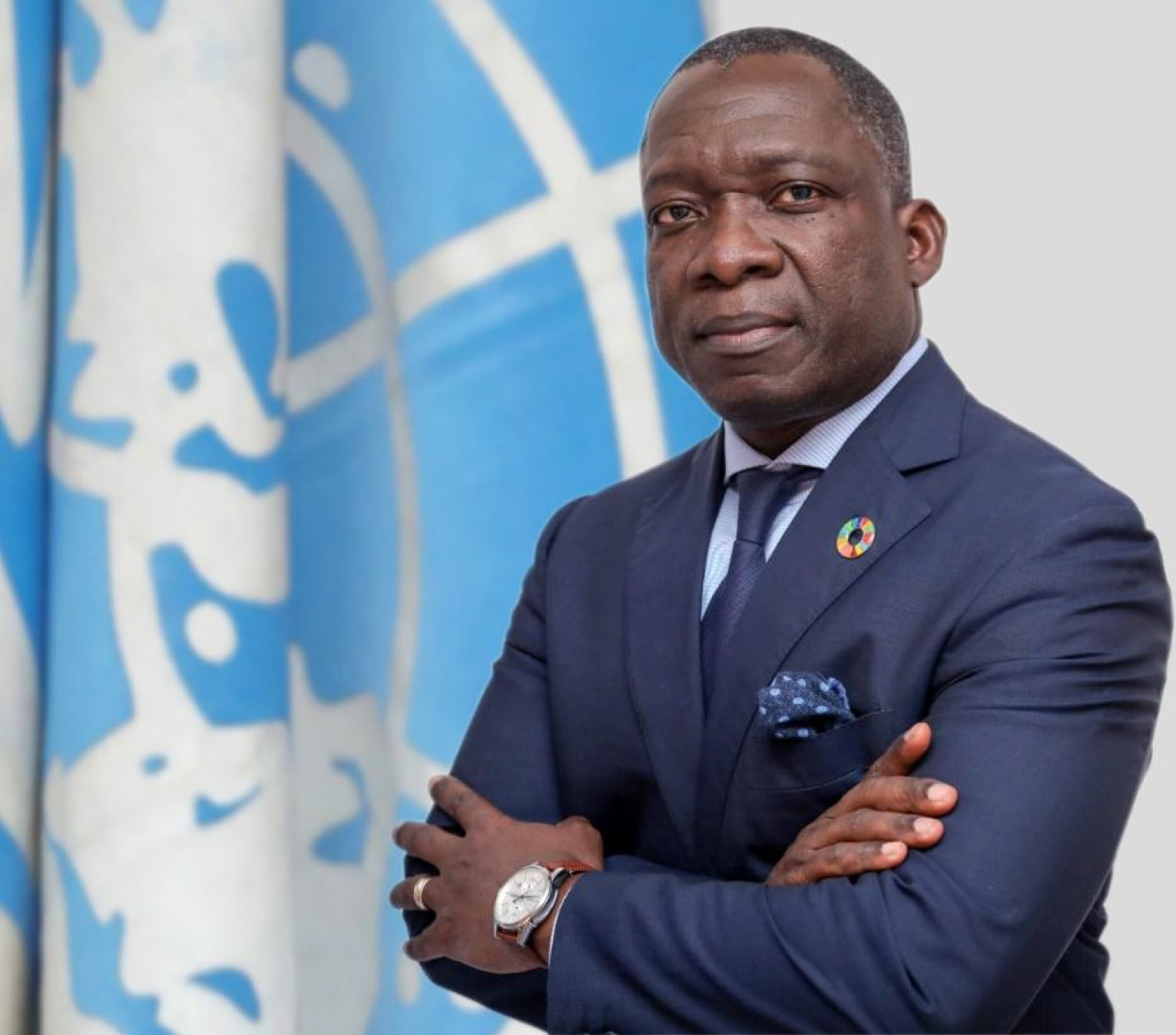
« Women’s leadership is a key lever for accelerating progress in reproductive health, women’s rights, and gender equality. When women are fully involved in decision-making, public policies become more inclusive and more effective in meeting the needs of populations. »































































Comments are closed